Min Dale Edwards Executive Director Call and Post
CLEVELAND, Ohio — Following a deadlocked jury and mistrial in the high-profile federal case tied to FirstEnergy, a powerful wave of support has emerged for former executive Chuck Jones—led by Black clergy, civil rights organizations, and longtime community advocates who say his life’s work tells a far different story than the allegations brought against him.
After nine days of deliberation, jurors were unable to reach a unanimous decision, leaving the case unresolved. But outside the courtroom, many leaders say the outcome underscores what they have long believed: that the case against Jones was not strong enough to overcome reasonable doubt—and that his legacy in the community deserves recognition, not condemnation.
For years, supporters say, Jones has played a quiet but meaningful role in strengthening relationships between corporate leadership and underserved communities, particularly in Cleveland’s Black neighborhoods. Faith leaders and civil rights advocates point to his accessibility, willingness to listen, and consistent outreach as evidence of a man committed to bridging divides.
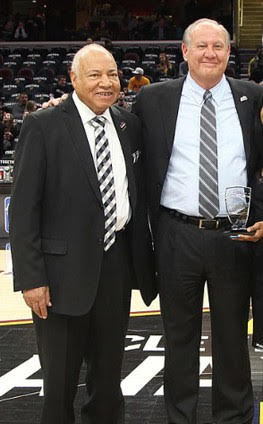
“Chuck Jones has shown up for our community time and time again,” said Dr. E. T. Caviness, a respected voice among local clergy. “When others closed doors, he opened them. When we needed support, he was there. That matters.”
Leaders across a coalition of Black churches and civil rights groups echoed that sentiment, describing Jones as a partner in economic inclusion efforts and community dialogue. They highlight initiatives ranging from workforce development conversations to increased engagement between corporate Ohio and minority communities.
In a joint show of solidarity, several clergy members emphasized that their support is rooted not in politics or corporate allegiance, but in personal experience and long-standing relationships.
“We judge a man by his actions, not just accusations,” one pastor said. “And Chuck Jones has consistently demonstrated respect, concern, and a willingness to invest in people who are too often overlooked.”
The mistrial, they argue, offers an opportunity for the public to take a fuller view of Jones’ character and contributions. While the legal process may continue, many supporters are urging patience—and fairness.
Civil rights leaders also raised broader concerns about how high-profile prosecutions can shape public perception before all facts are settled. They warn against rushing to judgment, particularly when a jury itself could not reach a consensus.
“This is a moment to reflect,” one advocate noted. “If the evidence were overwhelming, we would not be here. The fact that we are speaks volumes.”
As prosecutors weigh their next steps, the groundswell of community backing for Jones continues to grow. Prayer services, public statements, and quiet conversations across Cleveland’s neighborhoods reflect a shared message: that a man’s lifelong contributions should not be erased by unresolved allegations.
For supporters like Dr. Caviness and many others, the issue is as much about justice as it is about dignity.
“Chuck Jones deserves to be seen in full,” Caviness said. “And in our community, he is seen as someone who cared, who gave, and who stood with us.”


