C&P Newswire
CLEVELAND, OHIO — For generations, the Voting Rights Act of 1965 has stood as one of the most powerful safeguards of Black political participation in America—a hard-won victory born from marches, sacrifice, and the courage of those who faced violence for the right to vote. Today, many in the African American community are reflecting with concern after a pivotal ruling by the U.S. Supreme Court weakened a key part of that historic law.
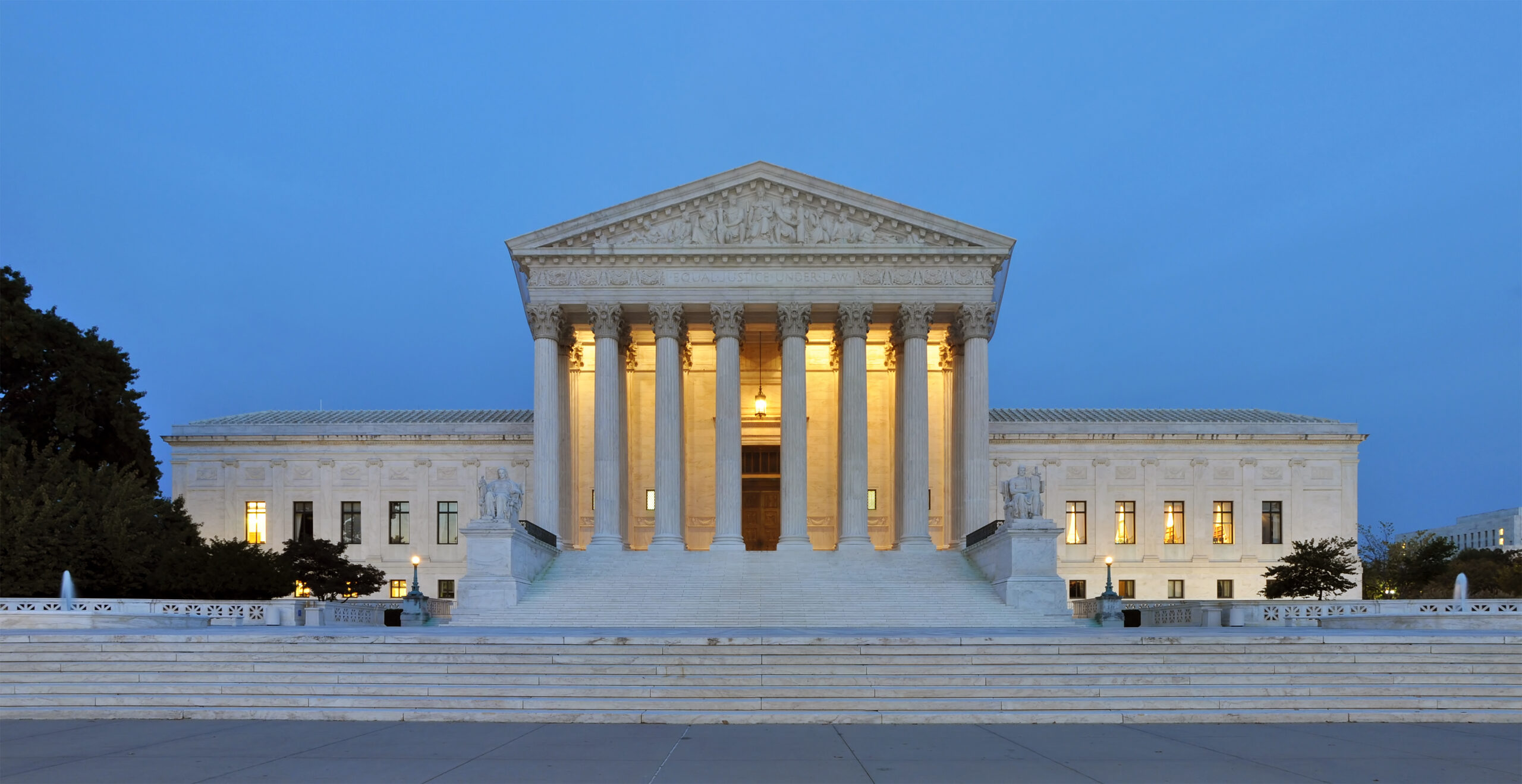
In Shelby County v. Holder, the Court struck down Section 4(b), the provision that determined which states and local governments with histories of racial discrimination were required to receive federal approval before changing voting laws. That process, known as “preclearance,” had long served as a protective shield against policies that could suppress minority voting power.
For many African Americans, the decision is not just legal—it is deeply personal.
The Voting Rights Act was signed into law by Lyndon B. Johnson at the height of the Civil Rights Movement, following events like the Selma to Montgomery marches, where peaceful demonstrators were met with brutality as they demanded equal access to the ballot. The law became a cornerstone of progress, dramatically increasing Black voter registration and representation across the South and beyond.
Civil rights leaders and community advocates warn that removing preclearance opens the door to changes that could disproportionately affect Black voters. In the years since the ruling, several states previously covered under the law have enacted new voting measures, including voter ID requirements and changes to early voting, prompting ongoing debate about access and fairness.
“This isn’t just about policy—it’s about history,” said Maverick Edwards, youth executive director for the Greater Cleveland Chapters’ of the Southern Christian Leadership Conference and National Action Network. “Our right to vote was never simply given. It was fought for.”
Others argue that the country has changed significantly since 1965 and that states should have more autonomy over their election laws. The Court’s majority opinion emphasized that the coverage formula was outdated, pointing to progress made in voter participation and civil rights.
Still, the decision raises pressing questions about the future: How will communities protect the gains achieved through decades of struggle? And what role will federal oversight continue to play in ensuring equal access to the ballot?
As the nation continues to grapple with these issues, one thing remains clear—the legacy of the Voting Rights Act is not confined to the past. It lives on in every election, every vote cast, and every effort to ensure that the voices of African Americans are heard and counted.