Former NFL Player Leads Class-Action Fight Alleging Thousands Lost Homes and Equity Through Tax Foreclosures

C&P New wire

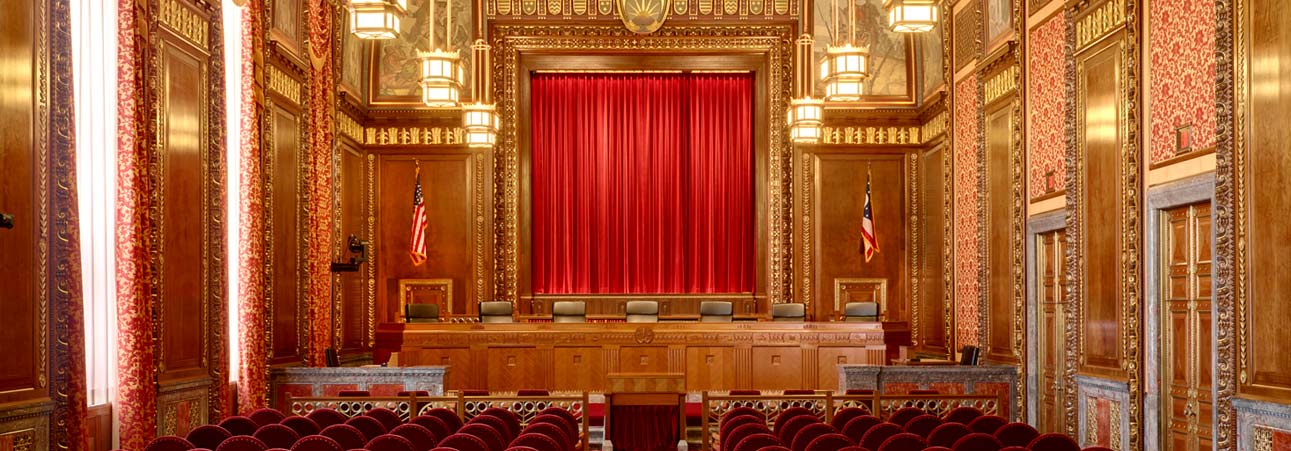
A legal battle that could reshape property rights across Ohio is now headed to the state’s highest court, as the Ohio Supreme Court has agreed to hear a major class-action lawsuit accusing Cuyahoga County of unfairly profiting from tax foreclosures at the expense of struggling homeowners.

The case, brought by former NFL player and real estate investor Lyndon Byers, alleges that county officials seized thousands of homes over unpaid property taxes and kept the excess profits after selling the properties — even when the homes were worth far more than the taxes owed.

At the center of the lawsuit is a constitutional question that has sparked national debate: Can the government take a person’s property for unpaid taxes and then keep all the money from the sale, even after the debt is satisfied?

Supporters of the lawsuit say the answer is no.

“This is about basic fairness and constitutional property rights,” attorneys involved in the case argued. “Government should collect what is owed — not confiscate generational wealth.”

The lawsuit claims Cuyahoga County’s tax foreclosure practices resulted in homeowners losing not only their homes, but also the remaining equity they had built over decades. Plaintiffs argue that many residents — particularly elderly, low-income, and minority homeowners — were stripped of thousands of dollars beyond what they actually owed in taxes and penalties.

According to court filings, the county allegedly seized and sold properties valued significantly higher than delinquent tax bills without reimbursing former owners for the surplus proceeds.

The Ohio Supreme Court’s decision to hear the case dramatically raises the stakes for counties throughout the state, many of which have relied on similar tax foreclosure systems for years.

Legal observers say the outcome could potentially expose local governments to massive financial liability if courts determine excess proceeds should have been returned to former property owners.

The case follows growing national scrutiny over so-called “home equity theft” practices.

In 2023, the United States Supreme Court ruled unanimously in Tyler v. Hennepin County that governments may violate the Constitution when they keep profits from tax foreclosure sales beyond what is owed in taxes, penalties, and interest. That landmark ruling energized lawsuits nationwide challenging similar systems in multiple states.

Now Ohio could become the next major battleground.

Community activists and housing advocates say the issue disproportionately impacts vulnerable residents already struggling with rising property taxes, inflation, and economic hardship.

“In many cases people lost homes over relatively small tax debts,” one housing advocate said. “Then the county kept everything.”

County officials, however, maintain that Ohio’s tax foreclosure laws were designed to address blighted and abandoned properties while ensuring delinquent taxes are collected to fund essential public services such as schools, public safety, and infrastructure.

Cuyahoga County leaders are expected to defend the legality of the process, arguing they operated within Ohio law as it existed at the time of the foreclosures.

Still, the case is sending shockwaves through legal and political circles across Northeast Ohio.

If the plaintiffs prevail, thousands of former property owners could potentially seek compensation for lost equity, opening the door to significant financial claims against local governments.

The lawsuit also shines a spotlight on broader concerns involving housing insecurity, neighborhood decline, and wealth disparities in Cleveland and surrounding communities where tax foreclosures have historically hit hardest.

For many residents, the case is about more than legal procedure — it is about whether ordinary citizens were denied the full value of what they worked their entire lives to own.

As the Ohio Supreme Court prepares to hear arguments, one thing is already clear: the decision could redefine property rights, tax foreclosure practices, and government accountability throughout Ohio for years to come.

Create a free account, or log in.

Gain access to read this article, plus limited free content.

Yes! I would like to receive new content and updates.