C&P Newswire
Across America, a growing chorus of Black leaders, activists, clergy, business owners, and young organizers are calling for a renewed movement centered on one urgent mission: building independent Black political power. From city halls to school boards, from county commissions to state legislatures, the demand is growing louder for political structures that answer directly to the needs of Black communities rather than to party machines or special interests.
For generations, African Americans have delivered decisive votes in elections nationwide, helping shape the outcomes of presidential contests, gubernatorial races, and local campaigns. Yet many residents in urban neighborhoods continue to face underfunded schools, economic disparities, violent crime, food insecurity, inadequate healthcare access, and crumbling infrastructure. Community advocates argue that voting alone is no longer enough if Black communities do not also control policy priorities, economic agendas, and leadership pipelines.
Political observers say the next era of Black political engagement must focus on ownership and independence. That means developing candidates from within the community, financing campaigns through grassroots fundraising, building independent media platforms, supporting Black-owned businesses, and creating civic education programs that prepare future generations to lead.
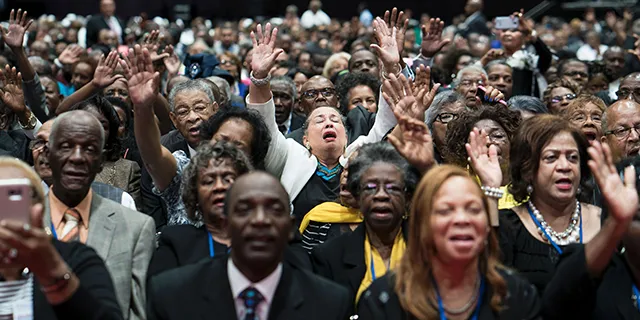
Churches, historically Black fraternities and sororities, neighborhood organizations, labor groups, and civic coalitions are once again being challenged to move beyond ceremonial politics and become engines for policy action and accountability. Many believe the community’s strength lies not only in protest, but in strategic organization.
Young voters especially are demanding authenticity and measurable results. Across the nation, younger Black leaders are organizing around issues such as criminal justice reform, economic empowerment, affordable housing, environmental justice, voting rights protection, and educational equity. Social media campaigns using hashtags like #PoliticalPower, #SelfDetermination, and #BlackLeadership are helping mobilize conversations far beyond traditional political spaces.
The call for self-determination is rooted deeply in Black history. From Reconstruction-era officeholders to the civil rights movement, political independence has often been tied to survival and progress. Leaders such as Marcus Garvey, Fannie Lou Hamer, Malcolm X, and Shirley Chisholm all emphasized the importance of community control, political education, and economic strength.
Today, many organizers say independent political power also means holding elected officials accountable regardless of party affiliation. “Representation without transformation is not enough,” one Cleveland-area activist stated during a recent community forum. “The community must be able to influence budgets, policy decisions, and economic development.”
Experts point to local elections as the foundation for long-term change. Prosecutors, judges, school board members, mayors, council members, and county officials often make decisions that directly impact daily life more than national politicians. Advocates say communities must pay closer attention to these races and invest in leadership development at the neighborhood level.
Economic empowerment also remains central to the conversation. Community leaders argue political power cannot survive without financial independence. Supporting Black banks, Black-owned businesses, community development corporations, and cooperative economics are increasingly viewed as essential pillars of long-term influence.
As America enters another heated political season, one message continues to resonate in Black communities nationwide: political power must be organized, protected, and sustained independently. The movement is no longer simply about access to power — it is about ownership of the future.
The challenge now is whether communities can transform passion into permanent political infrastructure capable of shaping policy for generations to come.